Using Public Transportation in Israel: What Every Visitor Should Know
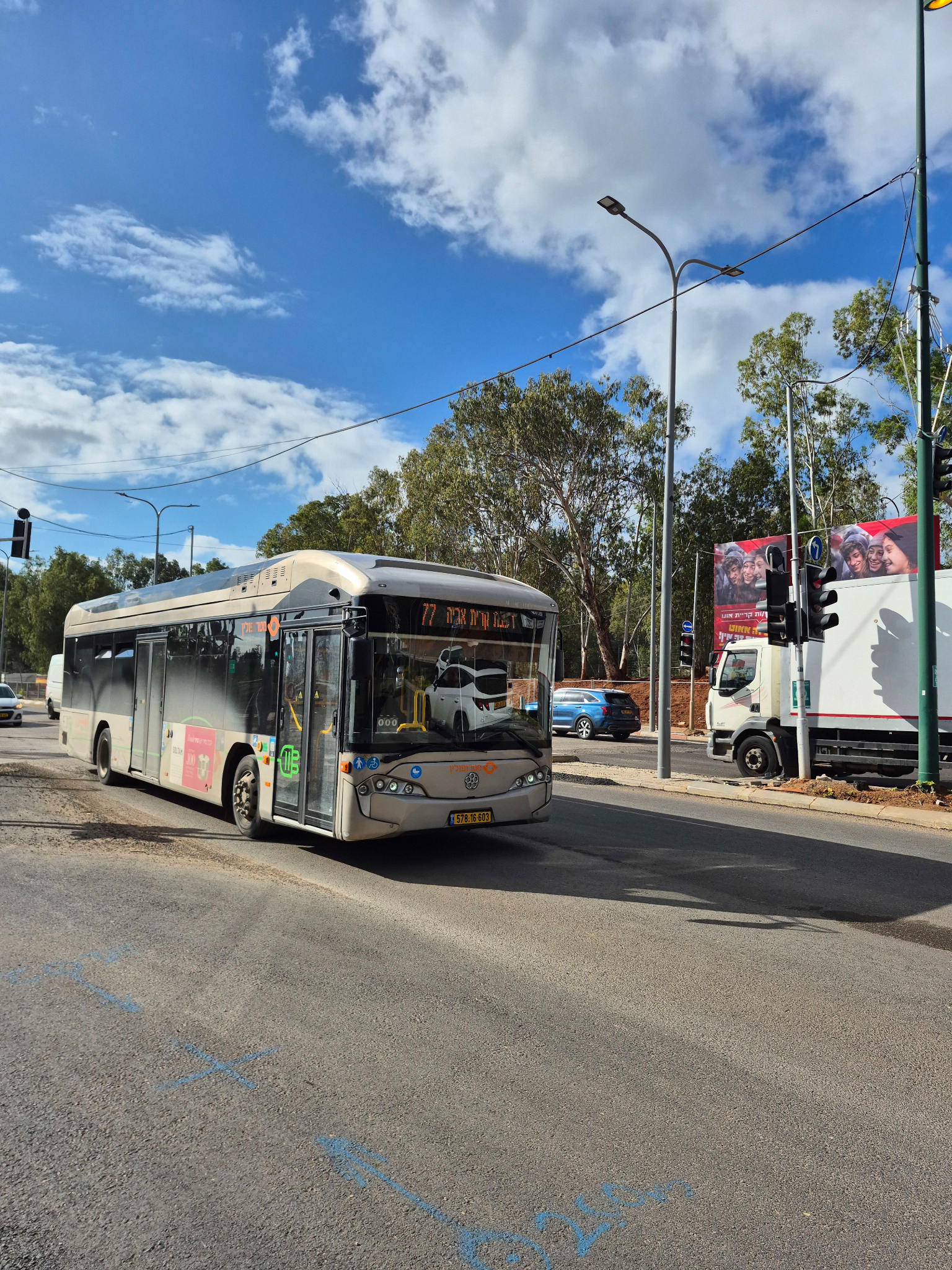
Public transportation in Israel is generally efficient, affordable, and well-connected — but for first-time visitors, a few local rules and practical details are essential to understand in advance. Knowing how the system works can make travel across the country simple, comfortable, and cost-effective.
Shabbat and Holidays: Limited or No Service
One of the most important things to know is that public transportation in most parts of Israel does not operate during Shabbat (Saturday) and major Jewish holidays.
- Service typically stops on Friday afternoon
- It resumes on Saturday evening
- Only limited alternatives exist in certain areas
Travelers should always plan weekend transportation ahead of time to avoid unexpected delays.
Payment Methods: No Cash or Credit with the Driver
Another key difference from many countries: Bus drivers in Israel do not accept cash or credit card payments.Payment is made using:
- A Rav-Kav smart card
- Preferably a dedicated public-transport For most visitors, mobile payment are the simplest and most flexible solution.
90-Minute Urban Transfer Rule
In most Israeli cities, a single validated fare is valid for 90 minutes, including free transfers between buses within that time window. This makes short urban travel both simple and economical.
From Ben Gurion Airport to Jerusalem or Tel Aviv
Israel’s main international gateway, Ben Gurion Airport, offers direct train service from Terminal 3.Trains run toward:
- Jerusalem
- Tel Aviv
For travelers heading to Tel Aviv, it is usually best to get off at:
- Hashalom Station
- Savidor Central Station
Both stations provide excellent public-transport connections to all parts of the city.
Direct Bus Option to Tel Aviv Hotels
In addition to the train, bus line 445 operates from Level 2 of Terminal 3 at Ben Gurion Airport. This line provides a convenient direct connection to many major hotels in Tel Aviv, often without the need to transfer, making it a practical and budget-friendly alternative for newly arrived travelers.
Traveling to Eilat by Bus
For those planning to visit Eilat, Israel’s southern Red Sea resort city:
- The Egged bus company operates long-distance routes with
online seat reservations - This is a comfortable, reliable, and cost-effective way to reach Eilat
Eilat is not only a vacation destination — it is also a gateway to regional exploration. From here, together with Ahalan Olympus, travelers can continue to:
- Petra and Wadi Rum in Jordan
- Sinai and Cairo in Egypt
Why Eilat Is Worth the Journey
Beyond its role as a transport hub, Eilat offers:
- Beautiful Red Sea beaches
- High-quality hotels and resorts
- A lively promenade, nightlife, and dining scene
- Dramatic desert landscapes
- Excellent diving conditions and numerous professional dive clubs
For many visitors, Eilat becomes one of the highlights of their stay in Israel.
Final Practical Tip
Public transportation in Israel is easy to use once you know the rules:
- Plan ahead for Shabbat and holidays
- Use a Rav-Kav card or mobile app
- Take advantage of the 90-minute transfer window
- Use the airport train or bus 445 for fast access to Tel Aviv
- Consider the bus to Eilat for an affordable journey south
With a bit of preparation, getting around Israel can be smooth, efficient, and enjoyable.train