Israel Between November and April: Make Time for Nature
If you are visiting Israel between November and April, consider setting aside at least half a day to step out of the cities and into nature. This is the season when the landscape transforms.
Winter rains bring back the green, wildflowers begin to bloom, and open spaces feel fresh, expansive, and alive. Walking becomes a pleasure rather than a challenge, and even short outings offer a deep sense of connection to the land.
Walking, Wandering, and Breathing
This does not require a full hiking expedition. It can be:
- A selected section of the Israel National Trail
- A short trek in one of Israel’s open landscapes
- Or simply a visit to one of the country’s nature reserves or KKL forests, which are well-marked, accessible, and safe for independent travel
These months are ideal for gentle walking, unhurried exploration, and quiet observation — especially for travelers who want to balance culture, history, and outdoor experiences.
A Small but Essential Tip: Bring a Coffee Kit
One simple recommendation can elevate the entire experience:
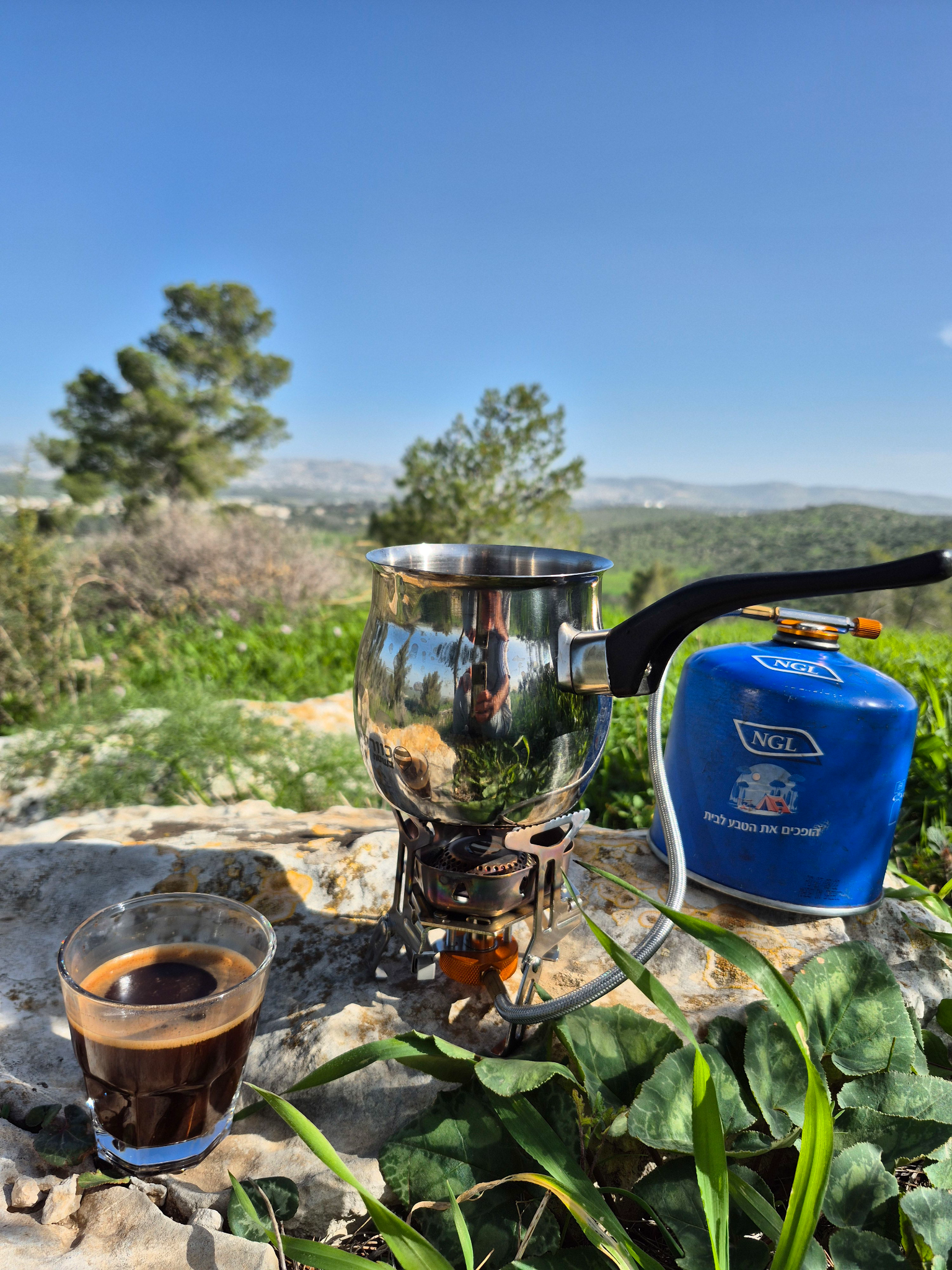
bring a coffee kit.There are few pleasures more local — or more memorable — than preparing coffee over a small flame, letting it simmer slowly in a finjan, somewhere among green hills or open fields. In Israel’s winter and spring landscapes, that moment often becomes the highlight of the day.
From Green Hills to Biblical History
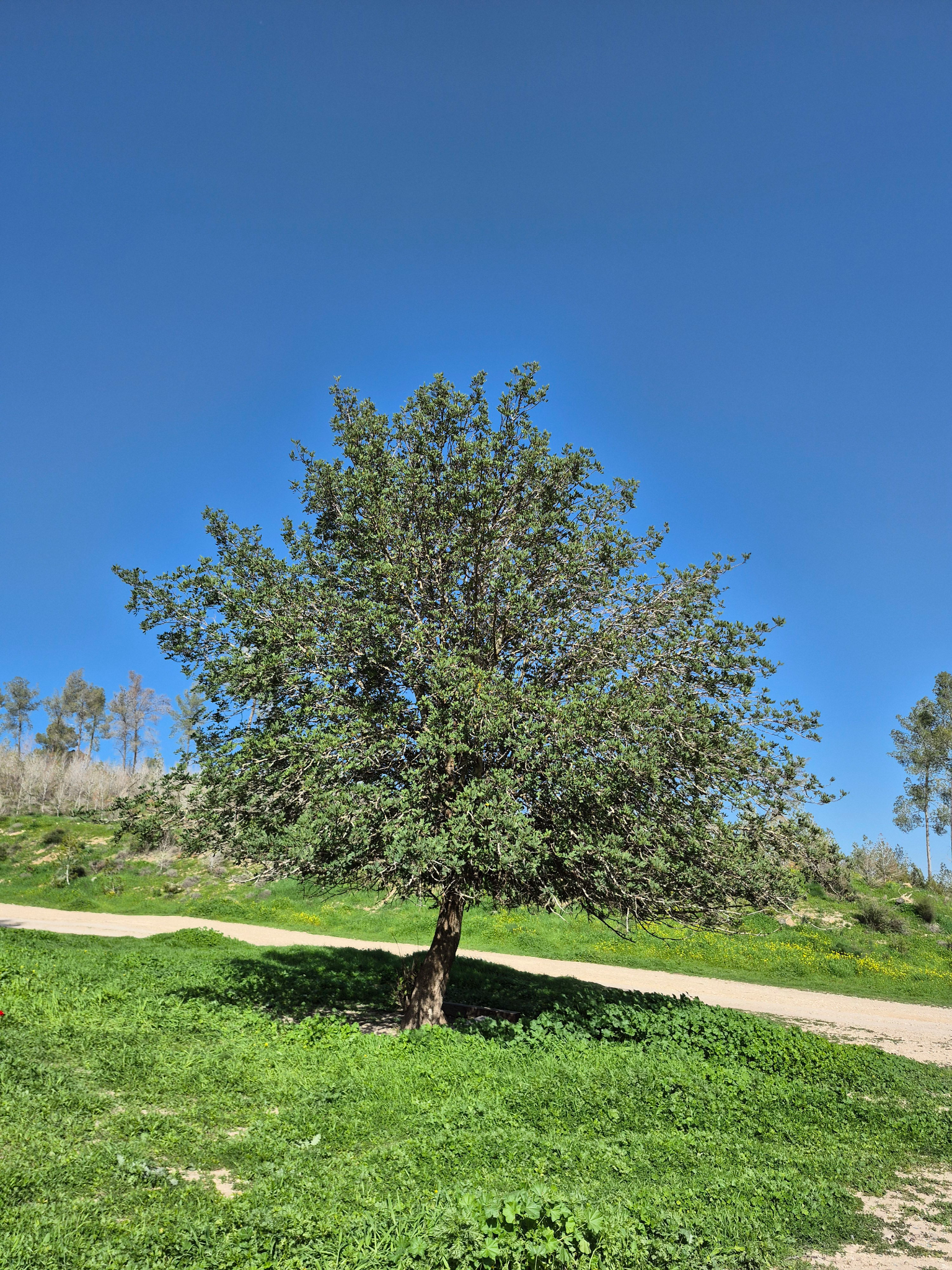
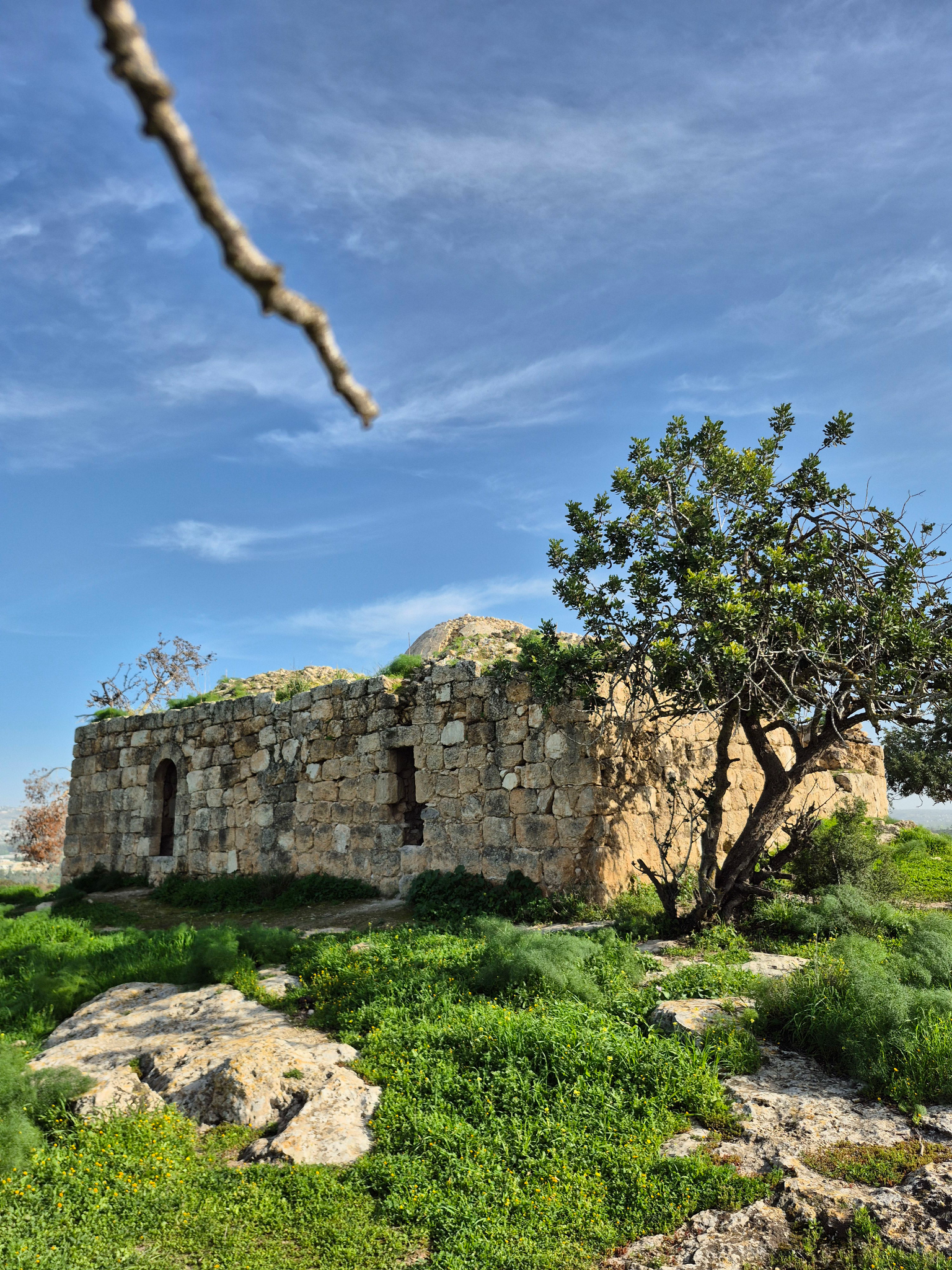
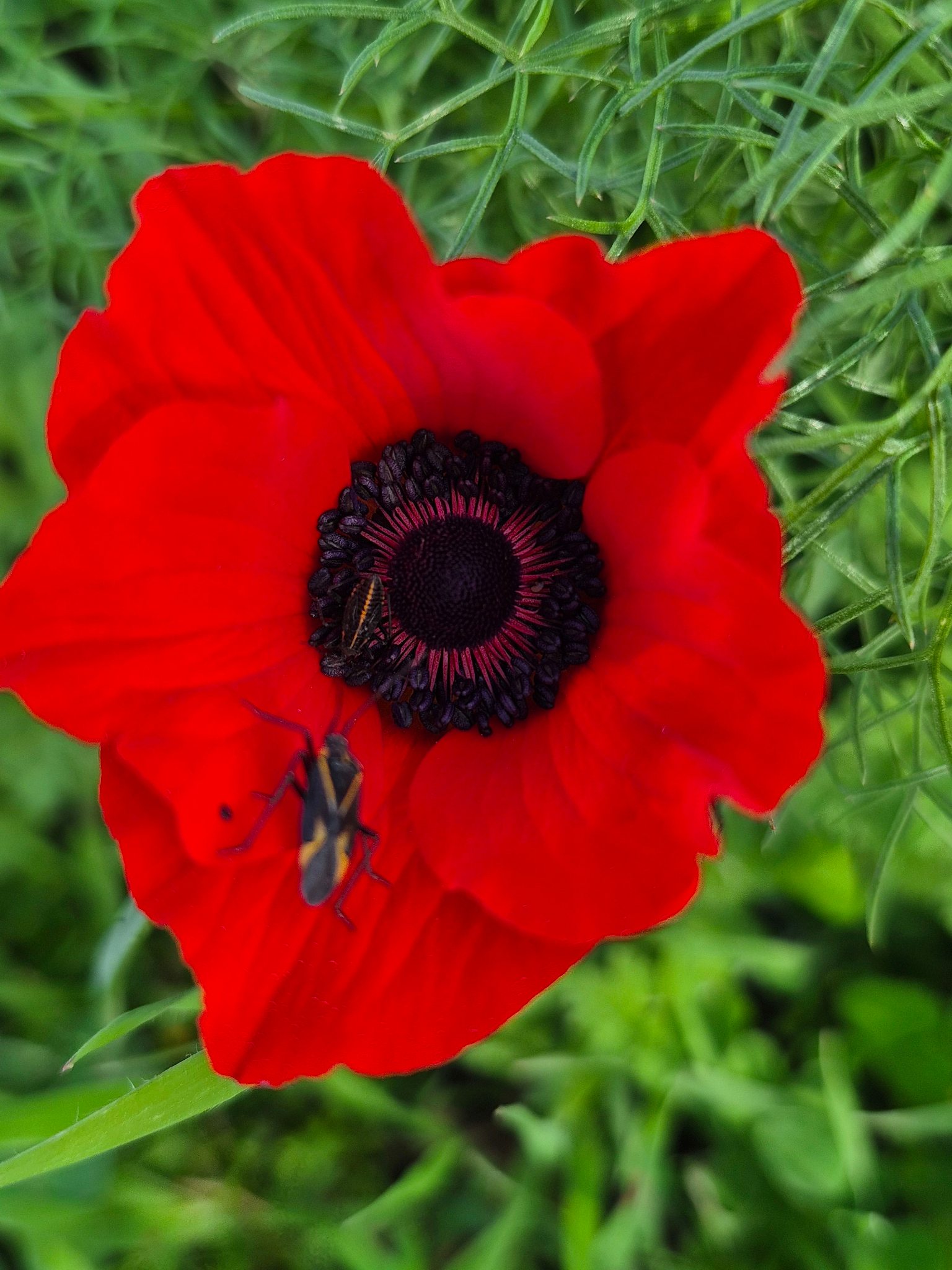
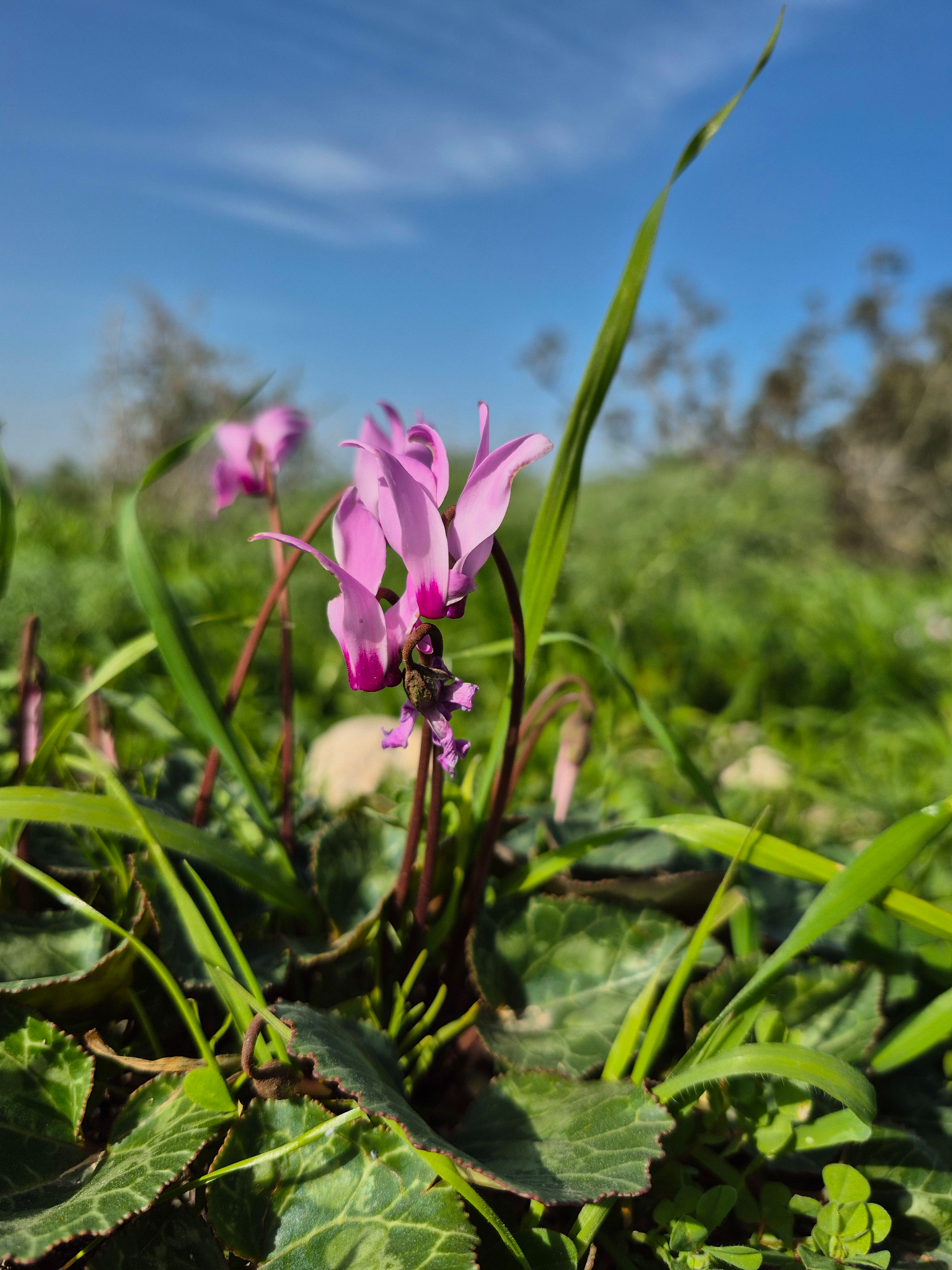
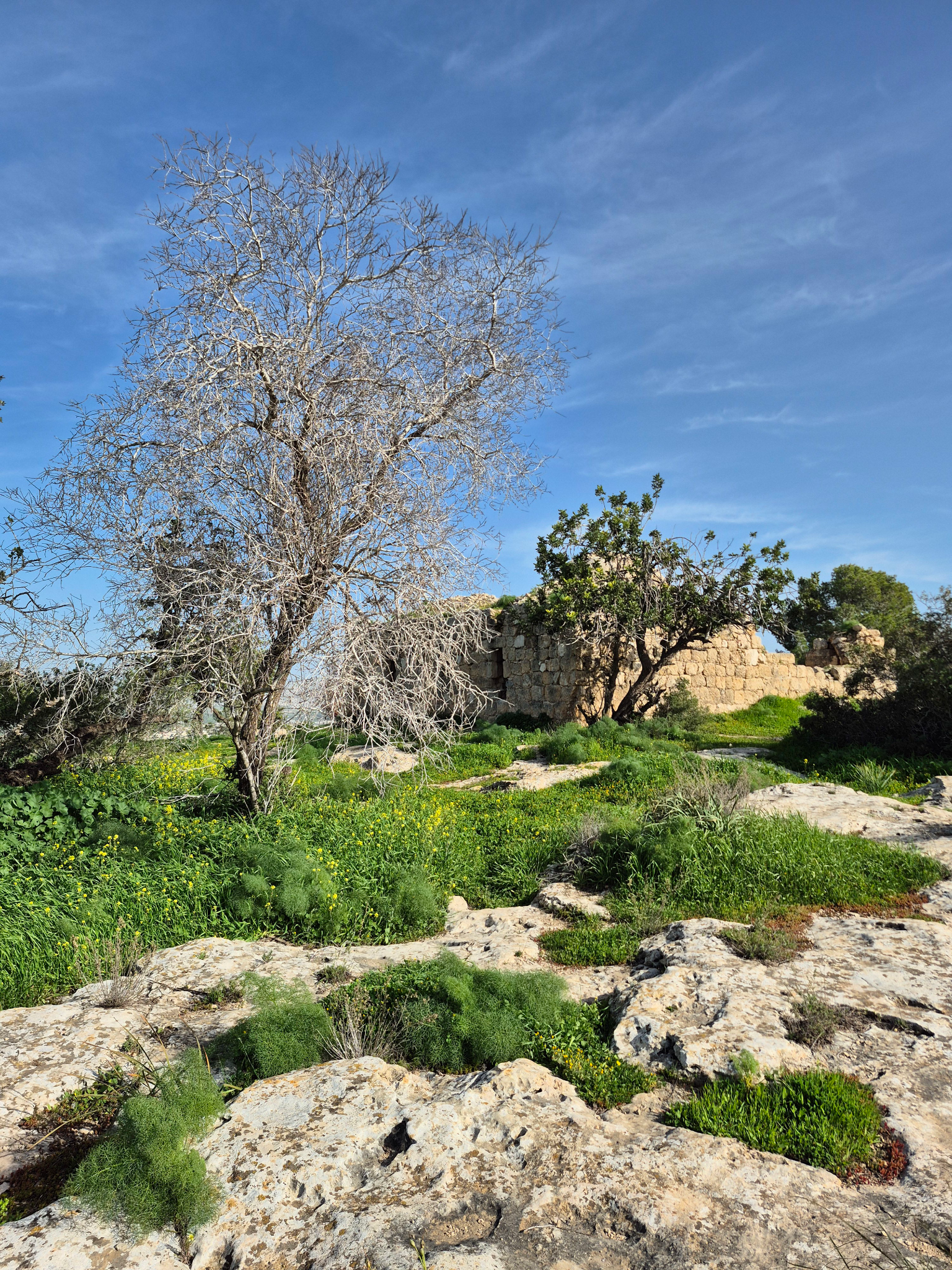
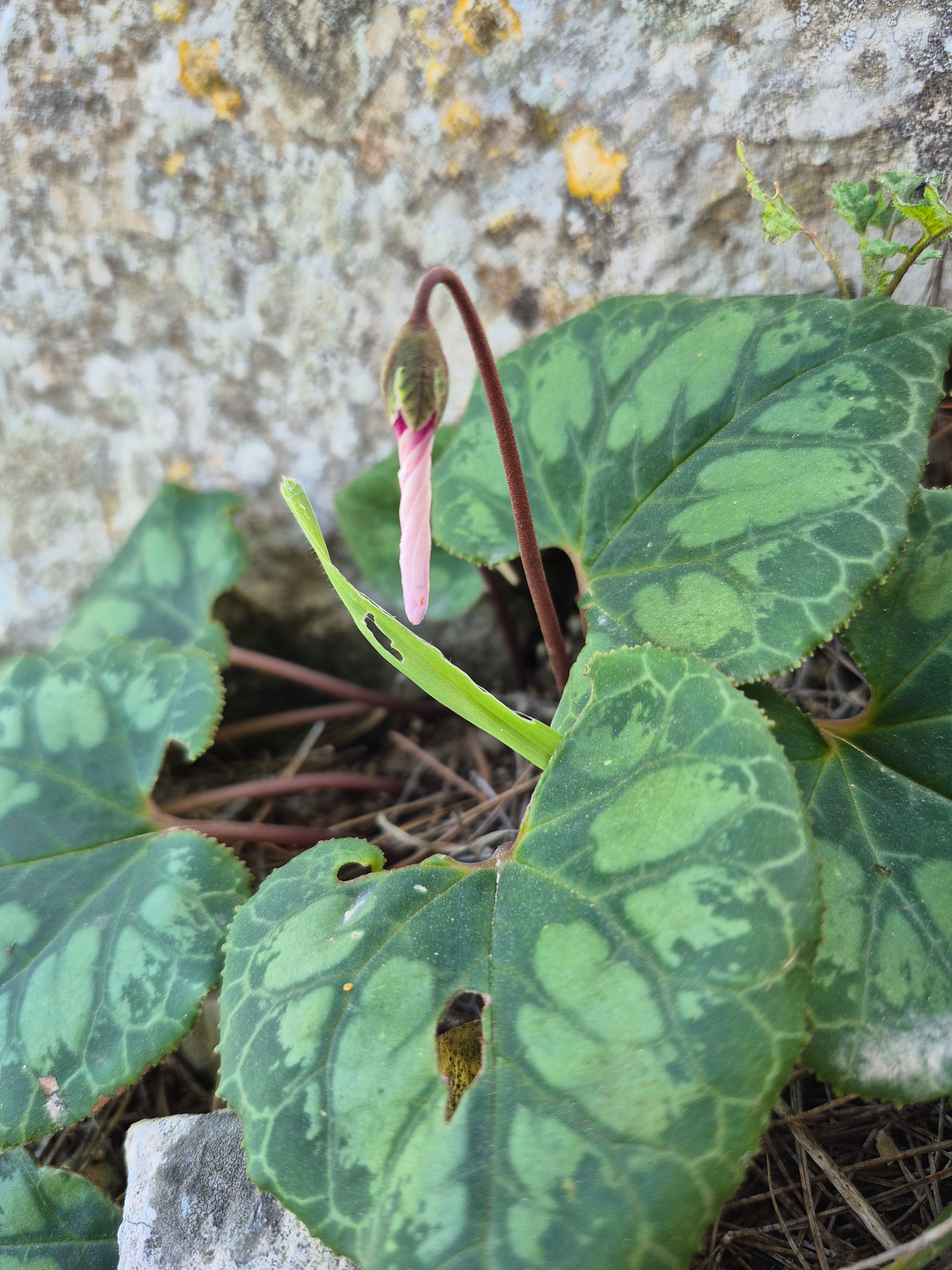
The photos accompanying this post were taken today during a light walk in the Givat Gad, a gently rolling area in the Shephelah region. Just nearby lies Tel Lachish, one of the most important biblical sites in Israel. Lachish played a central role in the history of the Kingdom of Judah and offers impressive archaeological remains, views, and context. Combining a short walk in the surrounding hills with a visit to the tel creates a natural blend of landscape and history.
Why This Matters
Travel in Israel often focuses on cities, holy sites, and museums — all of which are essential.
But between November and April, nature becomes part of the story.A few hours outdoors add balance, perspective, and space. They allow the country to be experienced not only through monuments and narratives, but through terrain, weather, and silence.Sometimes, half a day is all it takes.